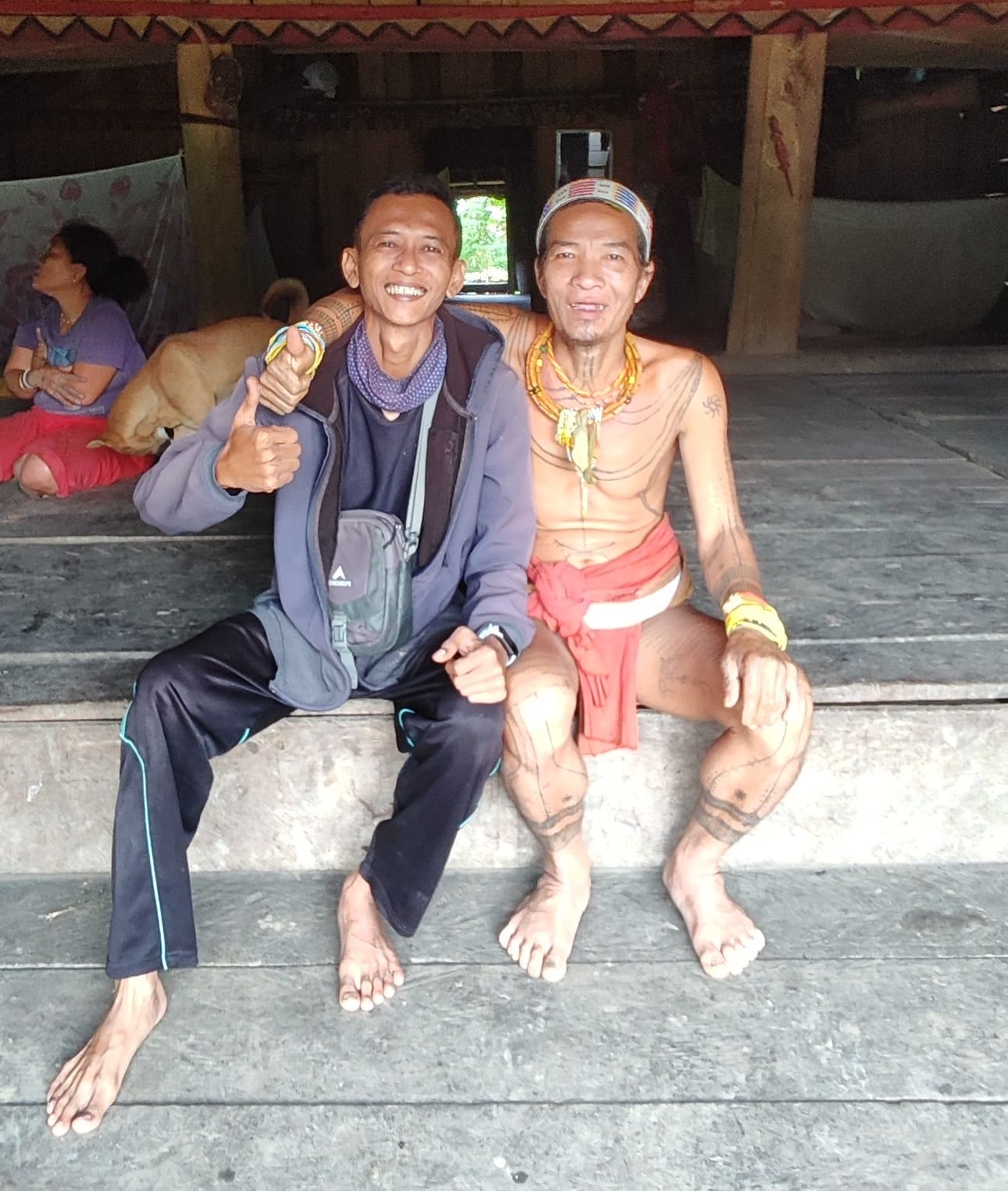
Mentawai Tribe Permit: What You Need & How We Handle It
One of the most common questions we receive from travellers planning a Mentawai tribe tour is: "Do I need a permit?" The short answer is yes — and there are actually two distinct permits required to legally and ethically visit Mentawai tribal communities on Siberut Island. This article explains exactly what those permits are, why they matter, and how Pulau Asli Tour handles the entire process on your behalf.
Why Permits Are Required to Visit Mentawai Tribe
The Mentawai people of Siberut Island have the right to control who enters their communities. Decades of exploitation — from poorly managed "tribal tourism" where outsiders arrived uninvited, photographed families without consent, and left no benefit to the community — led to a structured permit system designed to protect community sovereignty and cultural integrity.
The permit system exists for three core reasons:
- Legal protection: Foreign nationals visiting restricted or remote areas of Indonesia require documentation to comply with immigration and regional law.
- Community protection: The tribal chief's approval ensures that visitors are welcomed, not imposed. It protects families from being turned into passive spectacles.
- Cultural integrity: The permit process compels tour operators to communicate the purpose and nature of the visit in advance, filtering out exploitative intentions.
According to established records on Siberut's indigenous governance, the Arat Sabulungan belief system and tribal governance structure have been under pressure from outside interference for over a century. The permit system is one of the few mechanisms that gives the community a formal say over who enters their home.
The Two Permit Levels: Government AND Tribal Chief
Visiting Mentawai tribal villages on Siberut requires permits at government level AND tribal chief level. Both are mandatory. One without the other is insufficient.
Government Permit (Surat Jalan)
A travel document issued by the local police or government office in Siberut. Required for foreign nationals entering restricted or remote areas. This is a legal requirement under Indonesian regional law — not optional.
Tribal Chief Permit
Formal approval from the tribal chief of the specific village being visited — coordinated through Tribal Chief Simon Sapojai and the host family. Without this, entry to the village is not permitted regardless of any government document.
The Government Permit (Surat Jalan) — Explained
The Surat Jalan (literally "travel letter") is issued by the local government office or police in Siberut. Foreign nationals are required to hold this document when travelling to certain remote or restricted zones of the island — including the interior tribal villages that fall near the border of the national park.
The document identifies the traveller, their nationality, their destination, and the purpose of their visit. It is processed locally in Siberut — which is one reason why booking with a locally based operator like Pulau Asli Tour is so important. Book your permitted tribe visit here — we handle all permit paperwork as standard, typically processed a few days before your arrival.
The Tribal Chief Permit — Explained
The tribal chief permit is arguably even more important than the government document — it is the community's own form of consent. Before any guest arrives at a tribal village, Pulau Asli Tour formally communicates the nature of the visit to Tribal Chief Simon Sapojai and the tribal chief of the host family's village. This is a genuine request for hospitality, not a formality.
The process involves:
Andrian contacts the tribal chief to inform him of the upcoming visit, the number of guests, the dates, and the activities planned (observation, cultural exchange, trekking).
The tribal chief either grants approval or requests a schedule adjustment. In rare cases, a village may be unavailable due to internal ceremonies — in which case we arrange an alternative host family.
The fee structure is confirmed so the host family knows they will receive direct payment for hosting services — not just a payment to the operator. Every dollar you spend goes directly to the local Mentawai community.
You receive a cultural etiquette briefing before entering the village — what to expect, what to ask before photographing, and how to behave respectfully around ceremonies and sacred spaces.

How Much Does the Permit Cost?
Both permits are included in the package price for all Pulau Asli Tour tribe tours. There is no additional permit fee charged to guests. The cost of processing the Surat Jalan and coordinating the tribal chief approval is absorbed into our operating costs because we believe the permit process is non-negotiable — not an upsell.
See current package pricing on our tribe tour packages page. All packages from 3 to 7 days include both permits, guides, transport, accommodation, and meals.
Can I Get the Permits Myself?
Technically, the government permit (Surat Jalan) can be applied for independently by foreign nationals upon arrival at the government office in Siberut. However, without local connections, language skills, and prior relationship with the tribal chief, the tribal permission is effectively impossible to obtain on your own.
More importantly: showing up in a tribal village with only a government permit — without the tribal chief's prior approval — is deeply disrespectful to the community, regardless of legal technicality. The community has the right to turn visitors away, and in an increasingly tourism-aware environment, they do.
Visiting tribal communities without the correct permits causes real harm: it disrespects community sovereignty, creates legal risk for foreign nationals, and — perhaps most seriously — erodes the trust that makes ethical tribal tourism possible at all. Operators who bypass the permit system undermine the entire framework protecting the Mentawai people.
What Makes Pulau Asli Tour Different From Other Operators
Many tour operators in Padang advertise Mentawai tribe tours but do not hold genuine tribal permissions — they visit the same "show villages" near the coast where communities have been partially staged for tourism, or they enter interior villages without proper advance consent.
Pulau Asli Tour is different for several reasons:
| Factor | Pulau Asli Tour | Typical Operators |
|---|---|---|
| Government permit (Surat Jalan) | Processed for every guest | Often skipped or not verified |
| Tribal chief approval | Required for every village visit | Rarely formalised |
| Local connection | Andrian = 3rd-generation Mentawai veteran raising the 4th generation on Siberut | Usually mainland Padang-based |
| Community benefit | Direct payment to host family | Fees stay with middlemen |
| Registered operator | Registered tour operator (ijin usaha) | Varies — not always formalised |
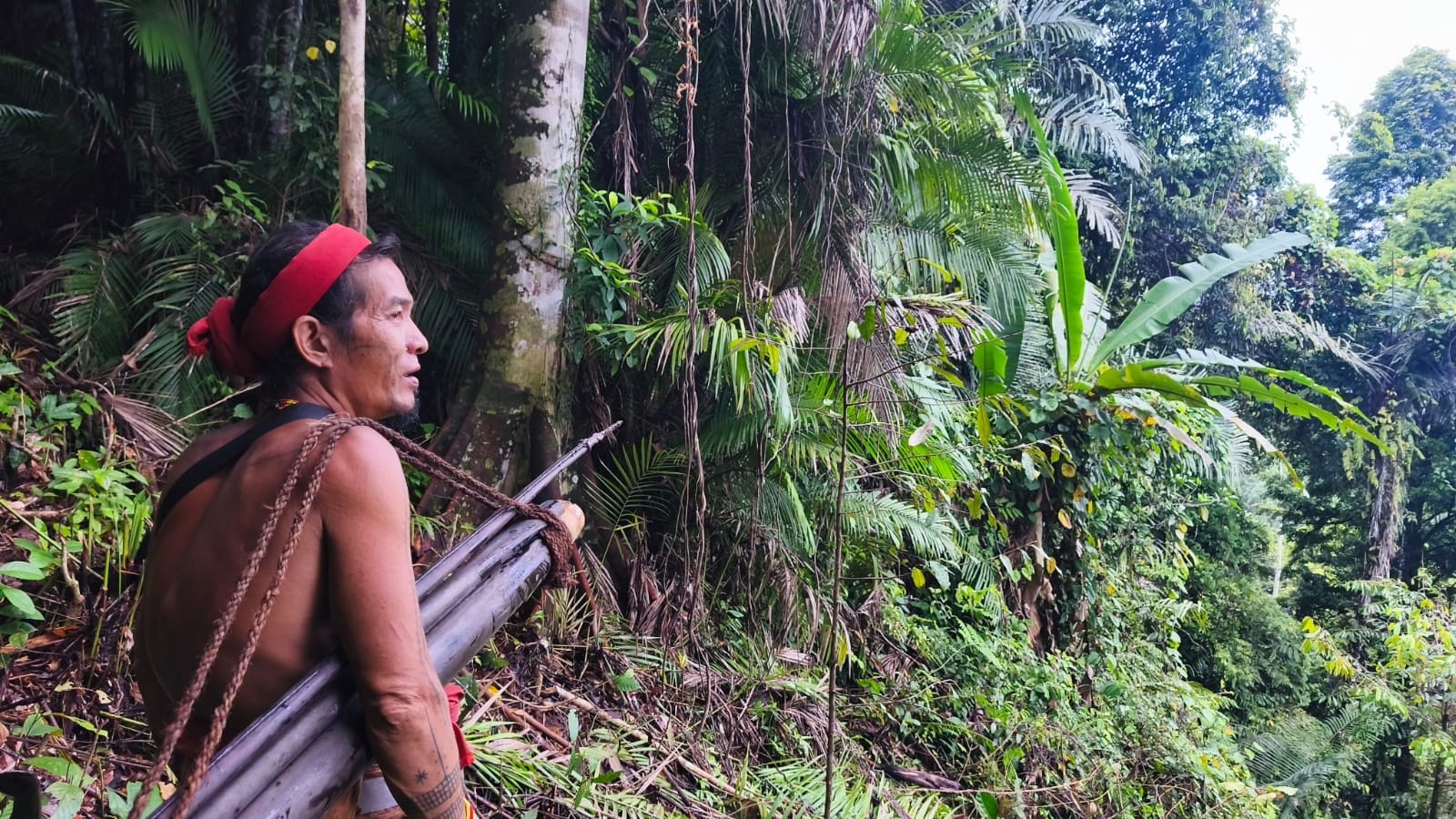
Sustainable and Ethical Tourism — Why It Matters
The permit system is the foundation of ethical Mentawai tribe tourism. When it works correctly — as it does on every Pulau Asli Tour trip — it means the community retains control over their own cultural presentation, receives fair compensation, and participates in tourism on their own terms.
This is community-based tourism in the truest sense. Learn more about the cultural context in our articles on Mentawai tribe culture and the role of the Sikerei shaman. For common questions about trip planning and what to expect, visit our Mentawai FAQ.
Solo travelers are welcome on all packages. Small group only (max 8 guests). A 50% deposit is required to confirm your booking, with the balance due 30 days before departure.
Book a Permitted Mentawai Tribe Tour
All permits handled. All logistics organised. Your job is to show up and immerse yourself.
Chat Andrian to BookFrequently Asked Questions: Mentawai Tribe Permit
