Mentawai Tribe vs Korowai: Which Cultural Experience Is Right for You?
Indonesia is home to some of the world's most culturally distinct indigenous peoples. Two that draw significant interest from travellers seeking authentic tribal experiences are the Mentawai people of Siberut Island and the Korowai people of Papua. Both are often described as "one of the last traditional tribes" — but they are different in culture, location, accessibility, and the nature of the tourist experience they offer. This guide compares both honestly so you can decide which is actually right for your trip.
I am Andrian Salis, a 3rd-generation Mentawai veteran and founder of Pulau Asli Tour. I can speak about the Mentawai experience from the inside. On the Korowai, I draw on documented anthropological and travel records to give you a fair comparison.
Who Are the Mentawai People?
The Mentawai people inhabit the four main islands of the Mentawai archipelago off the west coast of Sumatra: Siberut, Sipora, North Pagai, and South Pagai. Authentic tribal culture — including the Sikerei shaman tradition, Uma longhouse living, and the Arat Sabulungan animist belief system — is concentrated on Siberut Island, the northernmost and largest of the four.
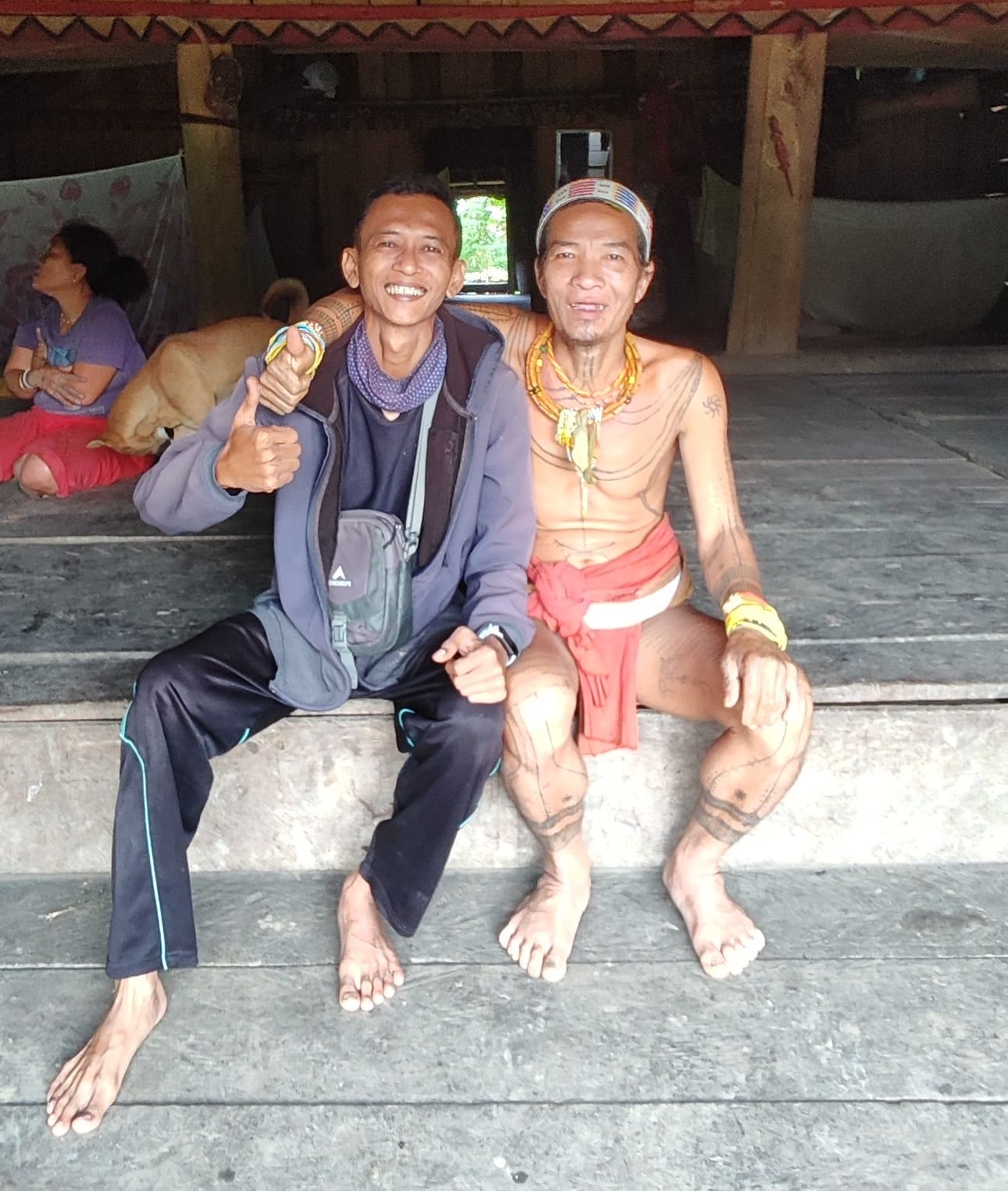
According to Siberut Island's documented history, the Mentawai people have lived in relative isolation for thousands of years, developing one of the oldest distinct cultures in Maritime Southeast Asia. Their traditions include full-body tattooing, Sikerei shaman healing ceremonies, poison arrow hunting, and communal Uma longhouse living with multi-generational family clans.
Today, Mentawai tribal communities in the interior of Siberut — particularly those directly bordering the 403,000-hectare Siberut National Park — continue to practice these traditions actively. The Sikerei role is not ceremonial for tourists; it is a functioning spiritual and medical system within the community.
Who Are the Korowai People?
The Korowai (also spelled Koroway) are an indigenous people of the southeastern lowlands of Papua, Indonesia's easternmost province. They became internationally known in the 1990s when photographs of their treehouse architecture — elevated 15–50 metres above the ground — circulated widely in Western media.
The Korowai were described by early anthropological contact (1970s–1980s) as one of the last groups with limited outside contact. Since then, significant contact with missionaries, Indonesian government programs, and tourism has occurred. The status of "uncontacted" or "living in treehouses" as commonly described is contested by researchers — many Korowai communities now live in government-built villages at ground level and the treehouse villages shown to tourists are increasingly purpose-built for visitor expectations.
Accessibility: Mentawai Is Much Easier to Reach
Mentawai requires a flight to Padang (Minangkabau International, PDG) — accessible from Jakarta, Kuala Lumpur, Singapore, and other Indonesian cities — followed by a 3–6 hour ferry crossing on the Mentawai Fast (Tuesday, Thursday, Saturday at 07:00). Total journey from Padang to camp is one day. From major international hubs, Mentawai is typically a 1–2 day journey including overnight in Padang.
Korowai requires a flight to Jayapura or Merauke in Papua, followed by a second domestic flight to a regional airstrip (often Yaniruma), and then a boat or walking journey of several hours into the jungle. Total journey from Jakarta is typically 2–4 days, with significant logistical complexity and higher transport cost. Papua also requires a special travel permit (Surat Jalan Papua) for foreign nationals, adding another administrative layer.
Authenticity and Ethical Tourism
This is the most nuanced part of the comparison, and the most important for travellers who care about cultural integrity.
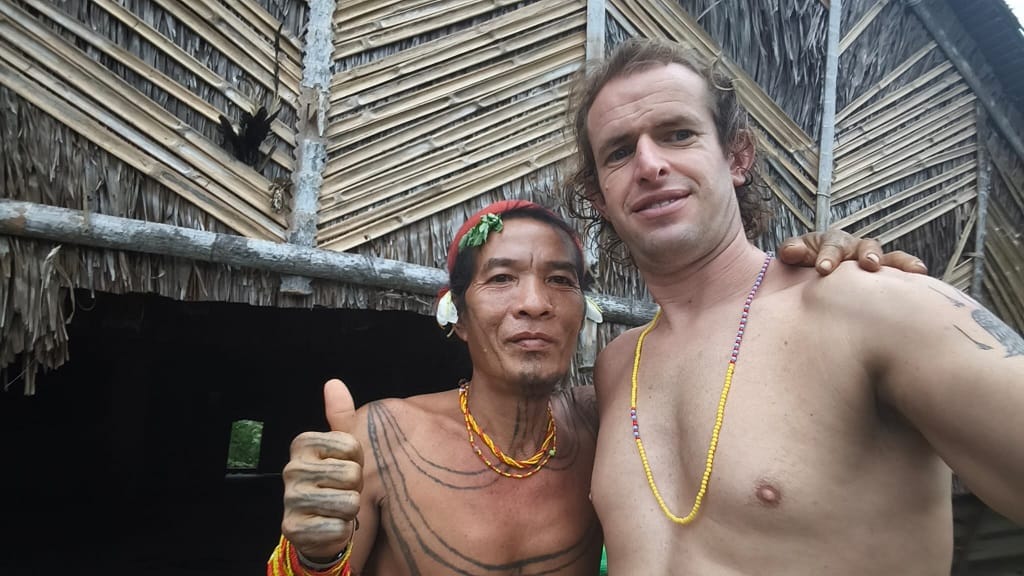
The Mentawai tribal communities visited through Pulau Asli Tour are actively living communities — not villages staged for tourism. The Sikerei shaman, Uma longhouse, and daily practices visitors observe are the real, functioning social and spiritual life of the community. Visits are governed by a dual permit system (government + tribal chief), ensuring the community has formal consent rights over who enters and under what conditions. Pulau Asli Tour's tribal chief partner, Simon Sapojai, coordinates all visits and ensures community benefit from every tour.
The Korowai tourist experience has faced significant criticism from anthropologists and journalists for presenting staged or reconstructed "traditional" village scenes to visitors. Reports from researchers who have studied Korowai tourism note that many communities shown to tourists are not currently living in traditional treehouses — the structures are built specifically for visitor visits. This does not mean all Korowai tourism is inauthentic, but it requires significantly more due diligence in selecting a responsible operator.
Does the community receive direct financial benefit from your visits? Who gives permission — the government, the community, or both? Do the people you visit actually live this way year-round, or is the experience prepared for tourists? These questions apply equally to Mentawai and Korowai tours.
Cultural Practices: Different but Equally Remarkable
Arat Sabulungan Animist Tradition
Sikerei shaman healing ceremonies, Uma longhouse clan living, full-body tattoo tradition, poison arrow (panah beracun) hunting, sago palm cultivation, river fishing. Permit system at government AND tribal chief level. Active Siberut National Park buffer zone habitat.
Treehouse Architecture & Forest Living
Historically known for elevated treehouse construction, forest foraging, and clan-based social structure. Significant outside contact since 1970s. Degree of traditional practice varies by community. Requires Papua travel permit (Surat Jalan Papua) for foreign nationals.
Cost Comparison
A Mentawai tribe tour through Pulau Asli Tour costs USD 215–620 per person depending on package duration (3–7 days) and group size. Prices include permits, accommodation in tribal villages or host family homes, all meals, river and boat transport, and Andrian's guidance. See the full package pricing.
A Korowai tribal tour typically costs USD 1,500–3,500+ per person for 7–10 days, reflecting the significant transport costs in remote Papua (charter flights, long boat journeys) and the logistical complexity of the region. These prices are significantly higher than Mentawai for a comparable duration.
| Factor | Mentawai Tribe (Siberut) | Korowai Tribe (Papua) |
|---|---|---|
| Location | Siberut Island, West Sumatra | Southeast Papua, Indonesia |
| Nearest hub | Padang (PDG) — well connected | Merauke or Jayapura — limited flights |
| Journey time | 1–2 days from international hub | 2–4 days |
| Cost (7 days) | USD 420–620/person | USD 2,000–3,500/person |
| Permit system | Government + tribal chief (dual) | Papua Surat Jalan (government only) |
| Authenticity | Active living communities | Varies — some staging documented |
| Cultural practices | Sikerei shaman, Uma, tattoo, hunting | Treehouse architecture, forest foraging |
| National park | 403,000-ha Siberut UNESCO Biosphere | Lorentz National Park (separate area) |
| Solo travelers | Welcome, all packages | Typically requires group booking |
Which Should You Choose?
If you are based in Sumatra or planning a broader Indonesia itinerary that includes West Sumatra — choose Mentawai. The logistical path is clear, the cost is manageable, the cultural experience is genuine, and the dual permit system means you can be confident your visit respects the community.
If you are already travelling through Papua and have the budget and time for a complex multi-day journey — Korowai is a legitimate cultural experience, provided you select an operator who is transparent about what you will and will not see, and who demonstrates genuine community benefit from the tours.
For most international travellers visiting Indonesia, Mentawai represents the most accessible, ethically structured, and cost-effective indigenous cultural experience in the country. Browse Pulau Asli Tour's tribe tour packages or read our guides on Mentawai tribe culture and the Sikerei shaman tradition to understand what the experience involves.
Mentawai vs Korowai: Common Questions
Experience Authentic Mentawai Tribe Culture
Stay with Sikerei shamans in Uma longhouses, deep in the Siberut forest. Dual permit system, direct community benefit, small groups only. Solo travelers welcome.
Chat Andrian to Book