Definition: The Sikerei
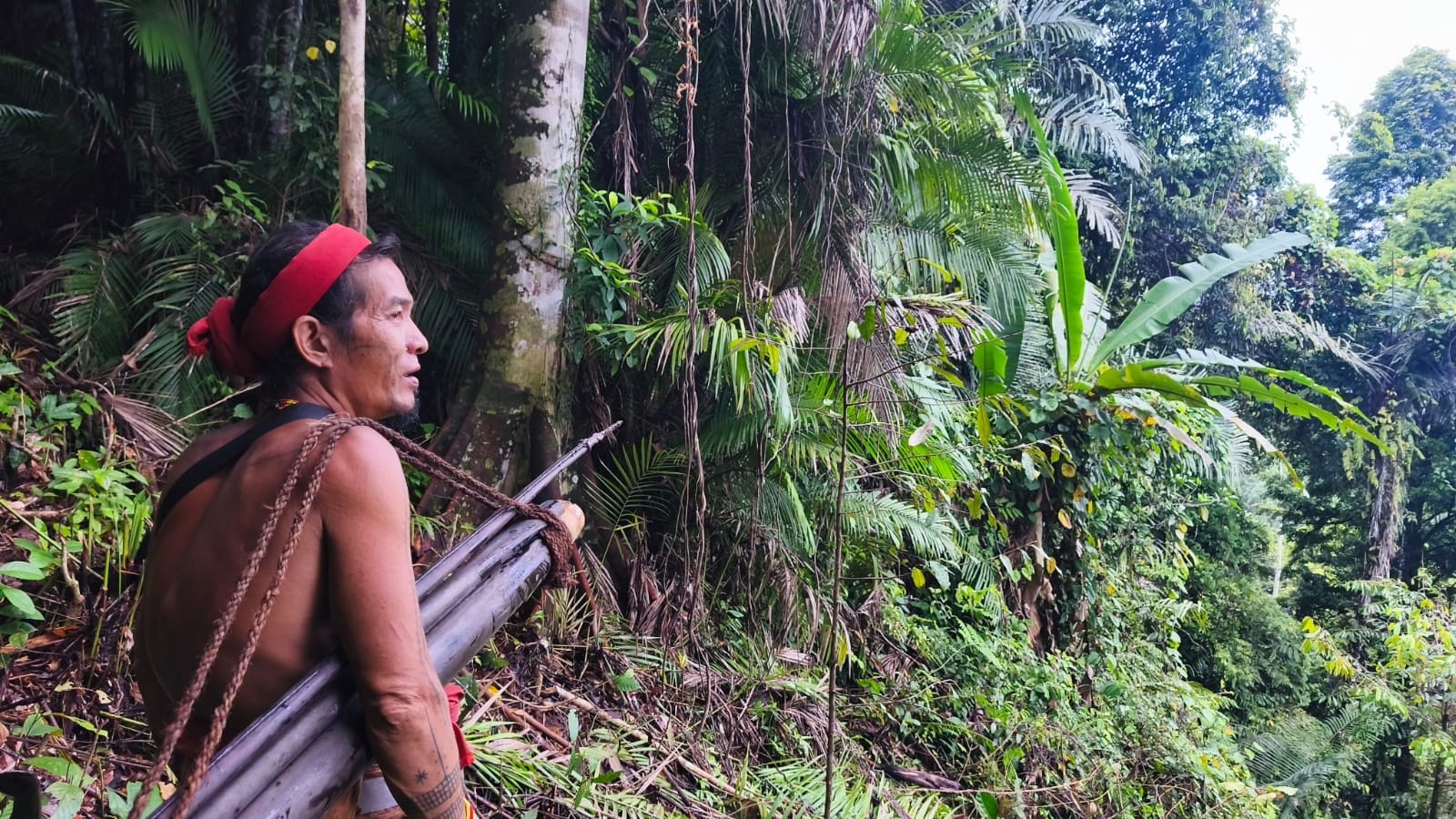
A Mentawai Sikerei shaman is one of the most intact examples of an indigenous spiritual practitioner still living and working within a traditional forest community. The Sikerei (sometimes spelled Sikerei) are the shamans of the Mentawai people — indigenous inhabitants of the Mentawai Islands, Indonesia. The word Sikerei is both singular and plural; it refers to any individual who has undergone the full apprenticeship to become a practicing Mentawai shaman.
The role of the Sikerei extends far beyond spiritual leadership in the conventional sense. They are simultaneously: healer (diagnosing and treating illness through ceremony and plant medicine), mediator (negotiating with spirits on behalf of the community), forest guide (knowledgeable about medicinal, poisonous, and food plants), oral historian (keeper of community genealogy and tradition), and decision-maker (consulted on major community choices including fishing routes, hunting timing, and ceremonies).
There is no inheritance of Sikerei status. A person becomes Sikerei through a voluntary apprenticeship with a practicing master — typically lasting several years. The apprentice learns through direct observation, participation in ceremonies, and gradual transfer of esoteric knowledge about spirits, plants, and ritual.
Curious how someone becomes a Sikerei in the first place? Read The Calling: How Spirits Choose a Mentawai Shaman to learn about the two sacred paths, the dream visions that signal selection, and the 6-month forest isolation every candidate must complete.
Sikerei in Daily Life
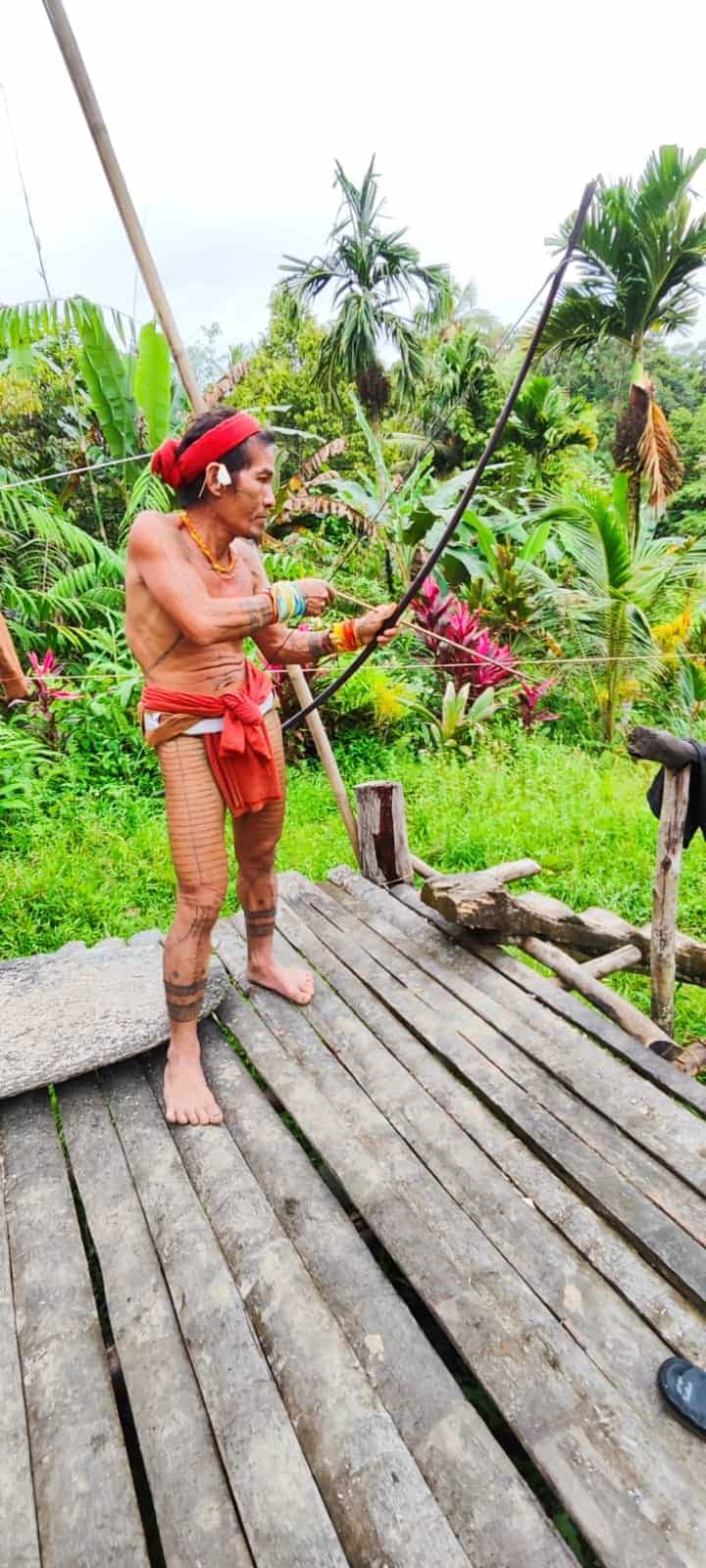
Within a Mentawai UMA (communal longhouse), the Sikerei is both an ordinary community member and a specialized spiritual functionary. During non-ceremonial periods, a Sikerei participates in everyday activities — fishing, sago processing, hunting — like any other household member.
Their specialized role activates when illness, misfortune, or community decision-making calls for spiritual intervention. At these moments, the Sikerei enters a ritual state — wearing full ceremonial dress (flowers in hair, face paint, special garments), and performing songs and dances to communicate with the spirits responsible for the situation.
Healing ceremonies (lia) can last from a single evening to several days, depending on the severity of the spiritual imbalance being addressed. The Sikerei identifies which spirit is causing the disruption, negotiates with it through song, and prescribes both physical remedies (specific plants, dietary changes) and ongoing spiritual practices to maintain the restored balance.
Spiritual Knowledge and Forest Medicine
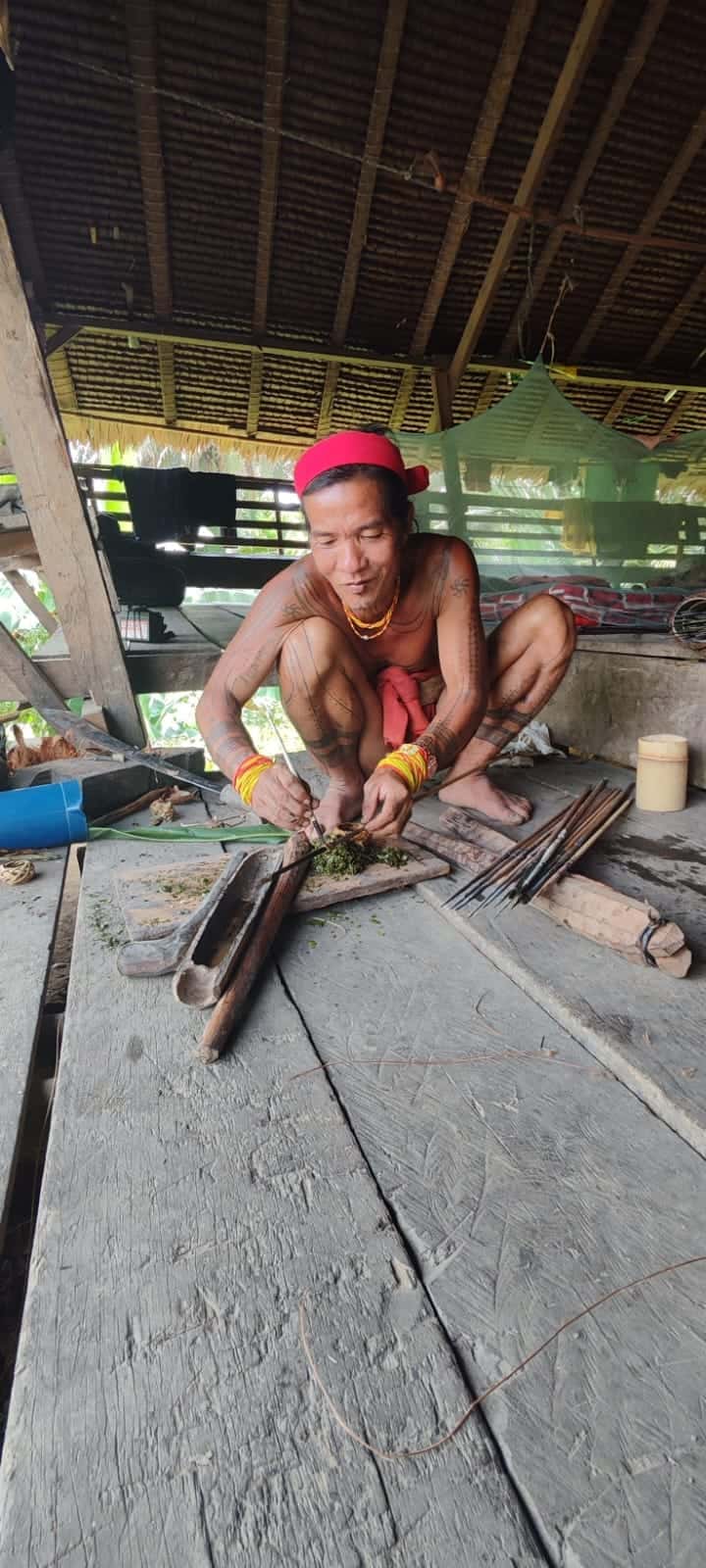
The Sikerei's knowledge of the forest is encyclopedic. They know hundreds of plant species by both common Mentawai name and spiritual significance. Some plants heal specific conditions; some summon specific spirits; some repel dangers; some are essential components of arrow poison preparation.
This knowledge is entirely oral — there are no written Mentawai texts. The Sikerei knowledge system represents thousands of years of empirical observation of the forest ecosystem, accumulated and refined through direct experience and transmitted verbally across generations.
Modern ethnobotanical researchers have documented significant overlap between Sikerei plant knowledge and the pharmacological properties confirmed by laboratory analysis — validating the empirical basis of this traditional medical system.
Tattoos and Sikerei Identity
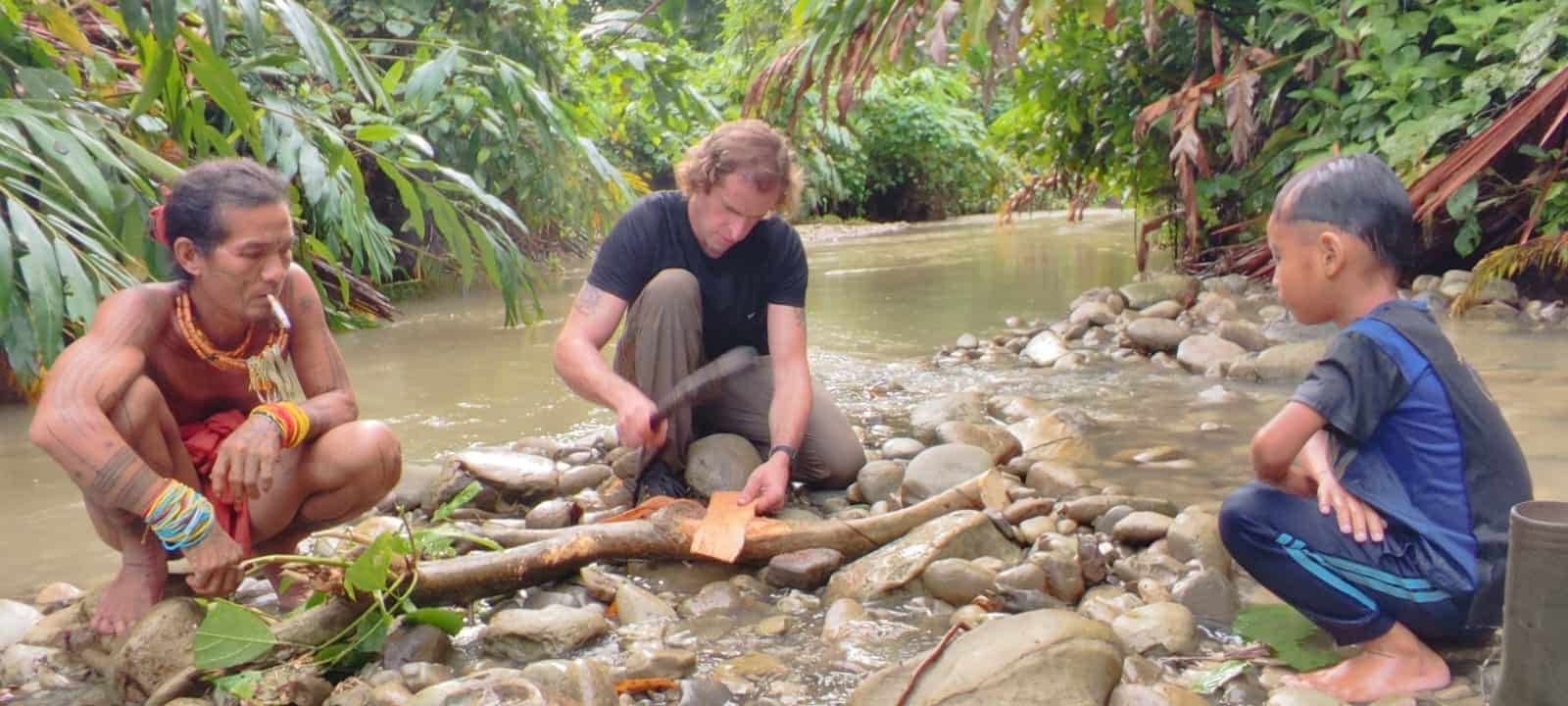
The titi tattoo is a fundamental element of Mentawai identity, and Sikerei typically have the most extensive tattoo work within the community. Tattoos are applied using a traditional method: thorns attached to a bamboo or wooden handle, dipped in a pigment made from charcoal and natural binders.
Each tattoo design has spiritual and social meaning — documenting the wearer's spiritual milestones, family lineage, and relationship with specific spirits. Critically, tattoo designs are skill and status based: only specific individuals may wear specific designs. For example, the arrow (panah) tattoo design is exclusively worn by hunters — a non-hunter cannot use this design. For a Sikerei, their tattoo record is a visible autobiography of their spiritual journey and community role.
Guests on Pulau Asli Tour can receive a traditional Mentawai tattoo as an optional paid add-on. This is a permanent tattoo using real traditional methods — not a tourist recreation. It must be requested at the time of booking and is subject to community and Sikerei availability.
Sikerei Today — A Disappearing World You Can Still Enter
Modernisation, missionary influence, and urban migration are pulling the younger Mentawai generation away from the forest. Fewer apprentices are choosing the Sikerei path. The families that still practice are concentrated deep in the interior forests of Siberut Island — and access to them is not easy to arrange alone.
This is not a museum exhibit. This is a living culture — and it won't be here forever. The Sikerei still conduct healing ceremonies. They still hunt with poison arrows. They still read the forest like a map. Every year, that window narrows.
Pulau Asli Tour guests stay directly with host families that include practicing Sikerei. Andrian, a local Siberut guide born on the island, 3rd-generation veteran, speaks Mentawai language and is personally trusted by these families. He is the bridge between you and an experience most travelers never get close to. See tribe tour packages →
How rare is this? Most tourists visiting Mentawai see a staged cultural performance arranged for tour groups. Our guests eat sago with the family that harvested it, watch a Sikerei prepare arrow poison for tomorrow's hunt, and fall asleep to sounds no resort can reproduce. Ask Andrian if there's still a spot →
Common Questions About the Sikerei
Meet a Real Sikerei Shaman — While You Still Can
Small group. No middleman. Direct access through a 3rd-generation Mentawai veteran raising the 4th generation on Siberut who the community actually trusts.